


What Happens During a Medical Eye Exam?
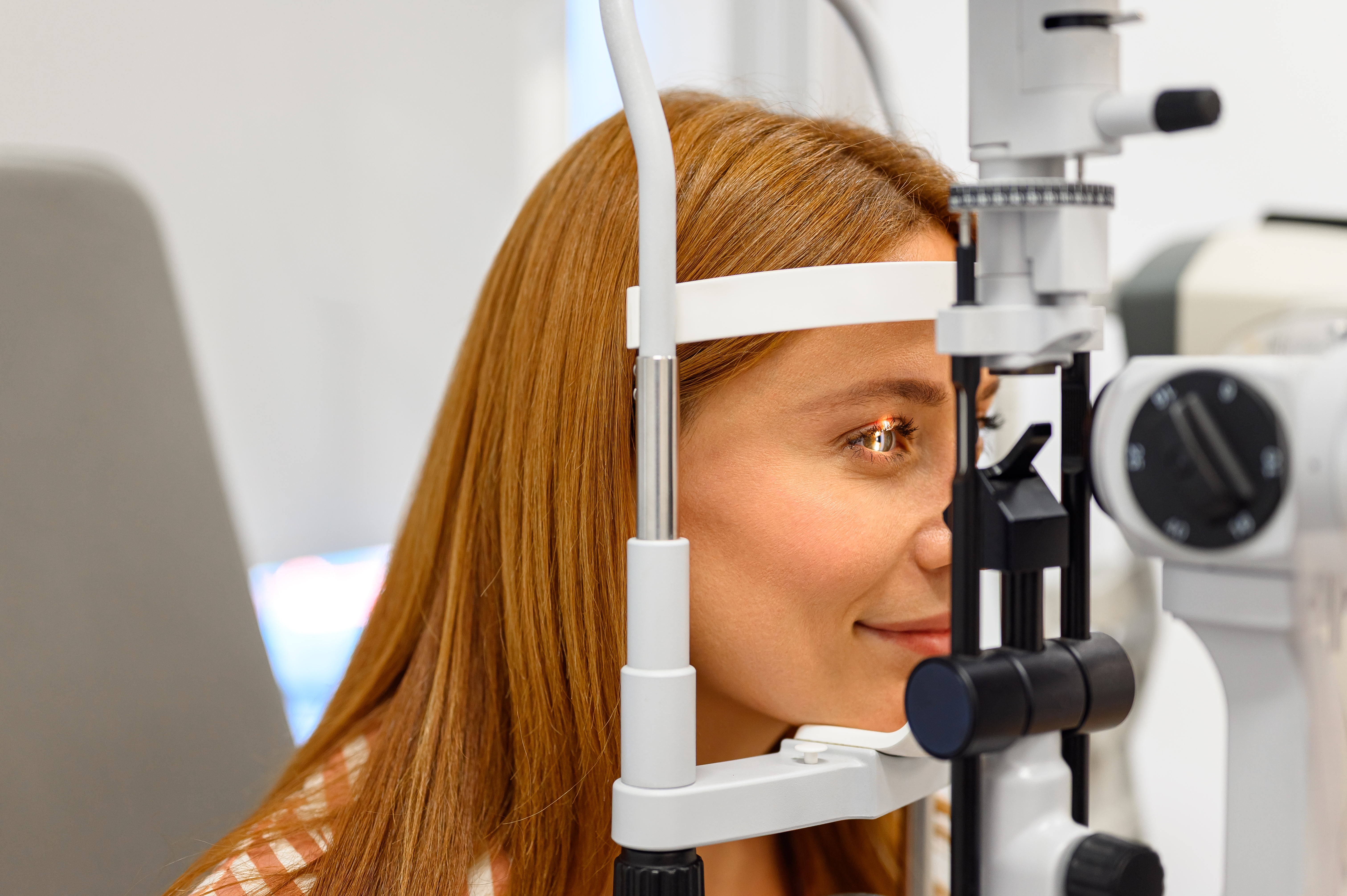
When you think of an eye exam, you may picture reading letters on a chart and updating your glasses prescription. A medical eye exam goes deeper. It focuses on the health of your eyes, the cause of symptoms, and the early detection or management of eye conditions that can affect your vision and overall eye comfort.
At Woodley Optometry, medical eye exams are designed to evaluate concerns such as eye pain, sudden vision changes, dry eye symptoms, flashes, floaters, redness, infection, and other medical eye issues.
Why You May Need a Medical Eye Exam
A medical eye exam is typically recommended when you have symptoms or an existing condition that requires more than a routine vision check. It may also be needed if you have risk factors for eye disease, such as diabetes, high blood pressure, a history of eye injury, or a family history of glaucoma or retinal disease. These exams help your optometrist identify what is happening inside and around the eyes so the right treatment plan can be recommended.
Reviewing Your Symptoms and Health History
Your visit usually begins with a detailed conversation about your symptoms, medical history, medications, eye health history, and any changes you have noticed. This step helps the doctor understand whether your concerns may be related to the surface of the eye, the retina, eye pressure, inflammation, infection, or another underlying issue. Being specific about when symptoms started, whether they come and go, and what makes them better or worse can help guide the exam.
Testing Vision and Eye Function
Even during a medical eye exam, your doctor may check your visual acuity and how well your eyes work together. This helps determine whether your symptoms are affecting clarity, focusing, eye movement, or overall visual performance.
Depending on your concerns, additional testing may be used to evaluate how your eyes respond to light, how your pupils function, and whether your peripheral vision has changed.
Evaluating the Front and Back of the Eye
A medical eye exam includes a close evaluation of the structures of the eye. Your optometrist may examine the eyelids, cornea, conjunctiva, tear film, lens, optic nerve, and retina. This can help detect or monitor conditions such as dry eye, eye infections, corneal issues, cataracts, glaucoma, diabetic eye disease, retinal changes, and other medical eye concerns. Our doctor may recommend dilation or advanced imaging when a more detailed view is needed.
Common Symptoms That Should Be Checked
You should schedule a medical eye exam if you experience:
- Sudden blurry vision or vision loss
- Eye pain, redness, or swelling
- Flashes of light or new floaters
- Persistent dryness, burning, or irritation
- Light sensitivity or headaches related to vision
- Discharge, crusting, or signs of infection
- Changes in vision related to diabetes or other health conditions
Creating a Treatment or Monitoring Plan
After the exam, our optometrist will explain the findings and recommend next steps. This may include prescription eye drops, dry eye treatment, follow-up testing, monitoring, imaging, or referral to a specialist when needed. The goal is to protect your eye health while addressing the cause of your symptoms as early as possible.
Schedule a medical eye exam with Woodley Optometry to get the answers, treatment, and guidance you need for new or ongoing eye health concerns. Visit our office in Encino, California, or call (818) 862-4800 today.


INTERESTED IN OUR SERVICES? contact us today
Powered by: 